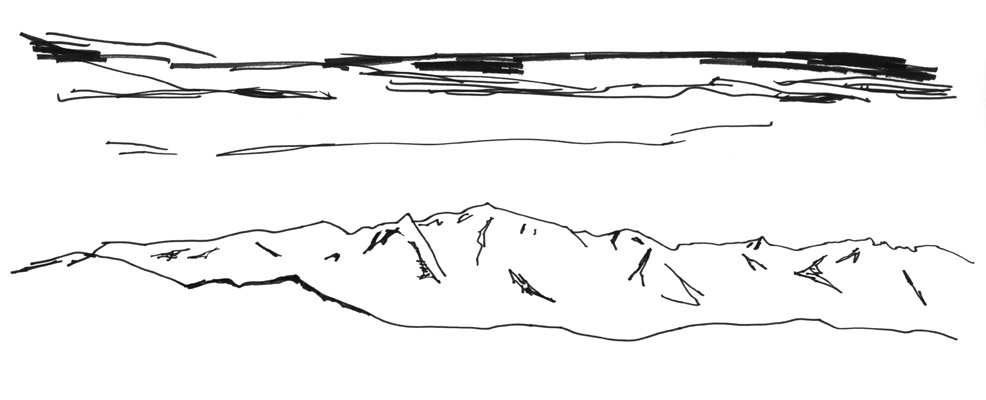
Oppapago looks on Waban, and Waban on Coso and the Bitter Lake, and the campoodie looks on these three; and more, it sees the beginning of winds along the foot of Coso, the gathering of clouds behind the high ridges, the spring flush, the soft spread of wild almond bloom on the mesa. These first, you understand, are the Paiute's walls, the other his furnishings. Not the wattled hut is his home, but the land, the winds, the hill front, the stream. These he cannot duplicate at any furbisher's shop as you who live within doors, who, if your purse allows, may have the same home at Sitka and Samarcand. So you see how it is that the homesickness of an Indian is often unto death, since he gets no relief from it; neither wind nor weed nor sky-line, nor any aspect of the hills of a strange land sufficiently like his own. So it was when the government reached out for the Paiutes, they gathered into the Northern Reservation only such poor tribes as could devise no other end of their affairs. Here, all along the river, and south to Shoshone Land, live the clans who owned the earth, fallen into the deplorable condition of hangers-on. Yet you hear them laughing at the hour when they draw in to the campoodie after labor, when there is a smell of meat and the steam of the cooking pots goes up against the sun. Then the children lie with their toes in the ashes to hear tales; then they are merry, and have the joys of repletion and the nearness of their kind. They have their hills, and though jostled are sufficiently free to get some fortitude for what will come. For now you shall hear of the end of the basket maker.
# Contents