Last and inevitable resort of overflow waters is the tulares, great wastes of reeds (Juncus) in sickly, slow streams. The reeds, called tules, are ghostly pale in winter, in summer deep poisonous-looking green, the waters thick and brown; the reed beds breaking into dingy pools, clumps of rotting willows, narrow winding water lanes and sinking paths. The tules grow inconceivably thick in places, standing man-high above the water; cattle, no, not any fish nor fowl can penetrate them. Old stalks succumb slowly; the bed soil is quagmire, settling with the weight as it fills and fills. Too slowly for counting they raise little islands from the bog and reclaim the land. The waters pushed out cut deeper channels, gnaw off the edges of the solid earth.
The tulares are full of mystery and malaria. That is why we have meant to explore them and have never done so. It must be a happy mystery. So you would think to hear the redwinged blackbirds proclaim it clear March mornings. Flocks of them, and every flock a myriad, shelter in the dry, whispering stems. They make little arched runways deep into the heart of the tule beds. Miles across the valley one hears the clamor of their high, keen flutings in the mating weather.
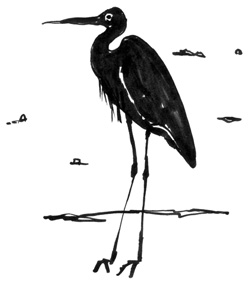
Wild fowl, quacking hordes of them, nest in the tulares. Any day's venture will raise from open shallows the great blue heron on his hollow wings. Chill evenings the mallard drakes cry continually from the glassy pools, the bittern's hollow boom rolls along the water paths. Strange and farflown fowl drop down against the saffron, autumn sky. All day wings beat above it hazy with speed; long flights of cranes glimmer in the twilight. By night one wakes to hear the clanging geese go over. One wishes for, but gets no nearer speech from those the reedy fens have swallowed up. What they do there, how fare, what find, is the secret of the tulares.
# Contents